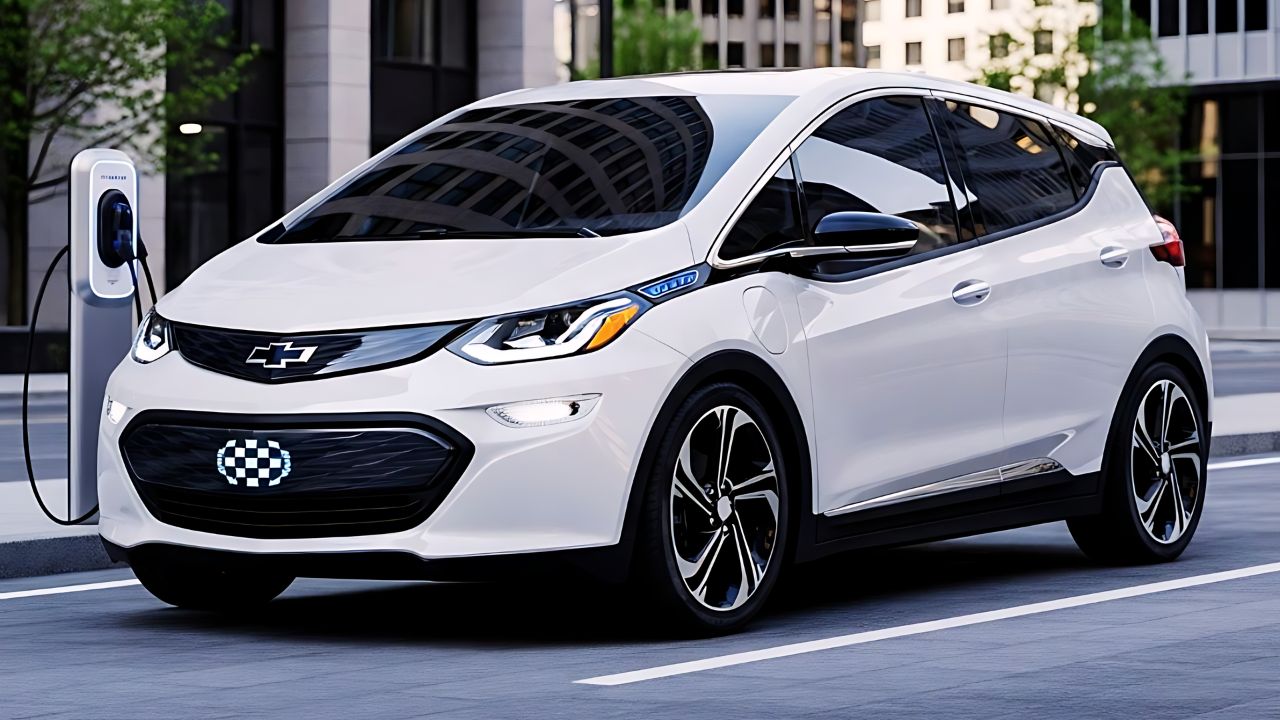
The Bolt was first released in 2016, making Chevrolet one of the first mainstream competitors to the Tesla Model 3, and has since then evolved into one of the top affordable EVs on the market. This model reset in Chevrolet Bolt history gives Chevrolet an opportunity to fix the Bolt’s interior space and charging speed. Chevrolet will be using an LFP battery to help keep the entry pricing low. Other competitors, such as Ford and Tesla, have been using Nickel Cobalt Manganese (NCM) and Nickel Cobalt Lithium (NCA) chemistries in conjunction with supply constraint pricing, making pricing for “sub premium EVs” less affordable for the end consumer. This reset will allow the Bolt to compete on pricing, and dominate competing offerings. The anticipated entry pricing is around $28,995.
New Range and Battery Technology
The Bolt features an inventive 65 kWh battery for the first use of the Lithium Iron Phosphate technology at Chevrolet. The new battery chemistry provides better thermal stability and safety than Nickel Cobalt Manganese batteries. As a result, the new Bolts will be able to achieve GM-estimated 262 miles on a full charge. One of the biggest improvements to the Bolt is fast charging. The old Bolts had a max charging speed of 55 kW, which was frustrating for the owners. The new 2026/2027 generation of Bolts will be able to reach charging speeds of 150 kW, which will allow drivers to charge from 10% to 80% in about 26 minutes. With the new Bolts also switching to the North American Charging Standard, owners will be able to use Tesla superchargers without needing an adapter.
Performance and Drivetrain Specifications
With the new Bolt, Chevy has improved how the car feels while driving. It no longer feels like a tall hatchback but now boasts a more low-slung and planted driving dynamic. It now has a fully electric motor which has 210 horsepower, making it great for highway merging and other urban driving tasks. There has also been a change to the final drive ratio, making the new Bolt more responsive when accelerating from a complete stop. For driving enthusiast, the RS trim has larger 17-inch black wheels to give the car a more sporty exterior. The new suspension tuning has also improved driving comfort and improved driver control, allowing the Bolt to feel more responsive while driving. The front of the Bolt has a MacPherson strut suspension and a compound crank beam in the rear. Although the car weighs almost 3800 pounds, the suspension tuning paired with the new struts will give the driver a more overall agile driving feel.
| Feature | 2027 Chevrolet Bolt Specifications |
| Battery Capacity | 65 kWh (LFP Chemistry) |
| Estimated Range | 262 Miles |
| Peak Charge Speed | 150 kW DC Fast Charging |
| Horsepower | 210 hp |
| Charging Port | NACS (Native Tesla Support) |
| Starting MSRP | $28,995 (estimated) |
Interior Comfort and Next-Gen Connectivity
When you enter the Bolt EV the past feels like history, now you will get a cabin that emphasizes so much digital integration and ergonomic fluidity. The 11.3 inch diagonal infotainment touchscreen is what you will consider the focal point, and now you will have a fully digital 11-inch driver information center so that you will not have to struggle to see your dashboard. Also, as you may or may not have heard, GM is removing all dies/hosts; so, in alignment with some of their more bold planning, the system will have Google built-in, meaning that you will have Access to Maps, Google Assistant, and the Play Store to download any app, tool, or game; however, A- & A- do not be surprised about the interface, it’s meant to be fully integrated with the car’s battery management, in order to aid with range-optimized routing if you’re planning to be on the road a lot. Also with the “open console” design and a flat floor, there will be even more storage and the sense of aire that will conceal the car’s compact size.
There’s still plenty of space for cargo, too, with 56.3 cubic feet of maximum cargo space with the rear seats folded. The Bolt remains one of the most useful daily drivers.
Safety Systems and Hands-Free Driving
The new Bolt is all about trust and safety, and it is standard with 20+ driver assistance features. Some features of the Chevy Safety Assist include Automatic Emergency Braking and Lane Keep Assist, and the most exciting, Super Cruise. Super Cruise is a hands-free driving feature that has access to several highways for automation. The Bolt is the most affordable vehicle to access this driving feature. The Bolt also has Vehicle-to-Home (V2H) charging. This means, when paired with specific home equipment, the Bolt drains power from the house to use it as an emergency power source. The groundbreaking technology, alongside the reinforced steel safety cage and updated airbag technology, makes the Bolt a pioneer for safety and technology.
FAQs
Q1 Does the new Chevrolet Bolt support Apple CarPlay?
The new Chevrolet Bolt does not support Apple CarPlay; instead, it has its own built-in infotainment system that favors the use of Google apps such as Google Maps and Spotify.
Q2 How fast can the 2027 Bolt charge at a public station?
At public stations, the Bolt charges in about 26 minutes from 10% to 80% using a DC fast charger that enables a maximum charging power of 150 kW.
Q3 What is the starting price for the new Bolt?
The starting price for the new Bolt is approximately $28,995 (including destination charges), making it one of the cheapest fully electric vehicles (EV) available on the market.